
What Happens on a Professional Studio Shoot Day
A professional studio shoot may look effortless in the final images or videos—but behind the scenes, it’s a carefully planned and highly coordinated process. From setting up lights to directing talent and capturing the perfect shot, every moment on set is driven by precision, creativity, and teamwork.
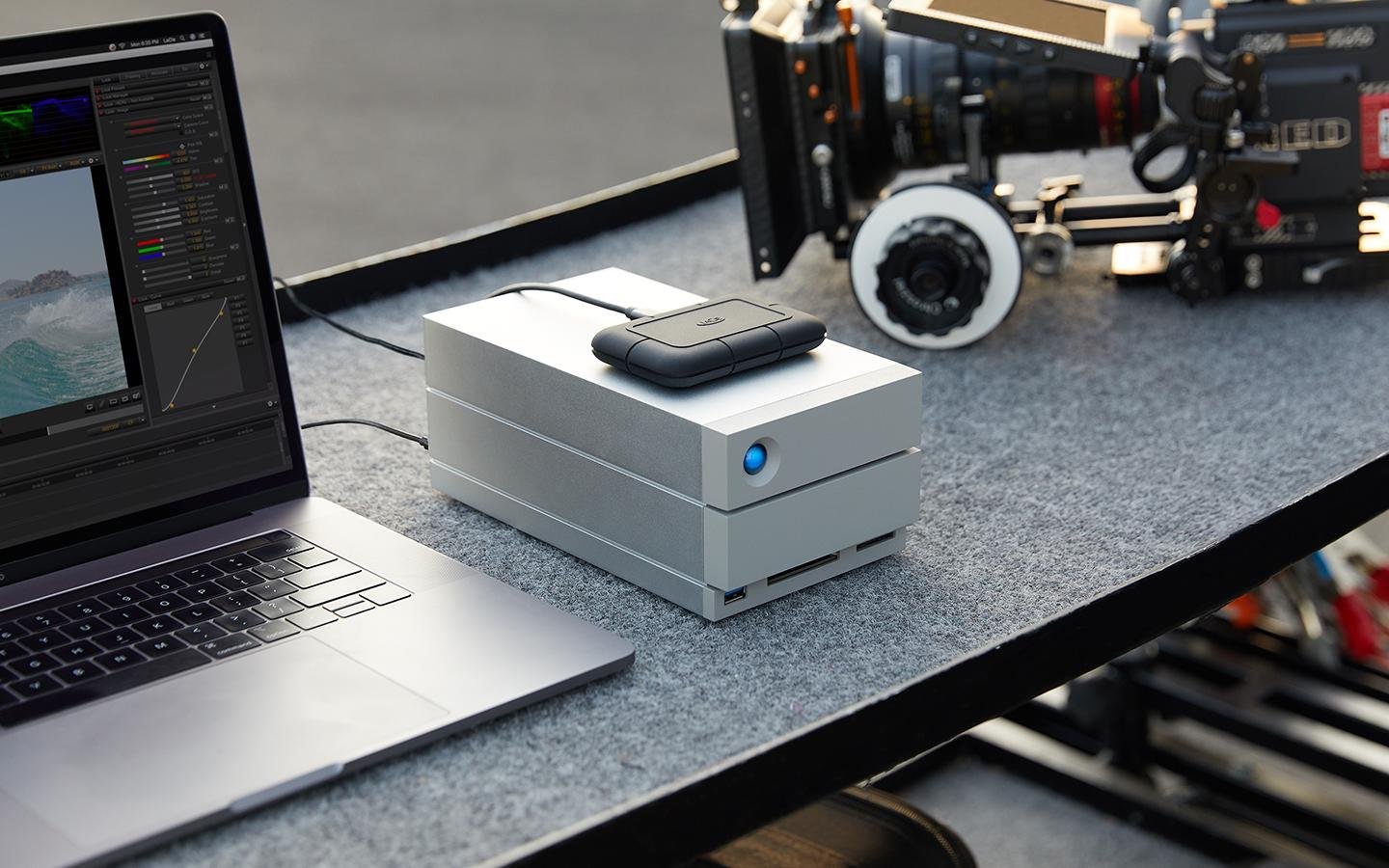
For brands investing in content, understanding what happens during a shoot day helps set expectations and ensures better collaboration with the production team.
Here’s a step-by-step look at what a typical professional studio shoot day looks like.
1. Studio Setup & Preparation
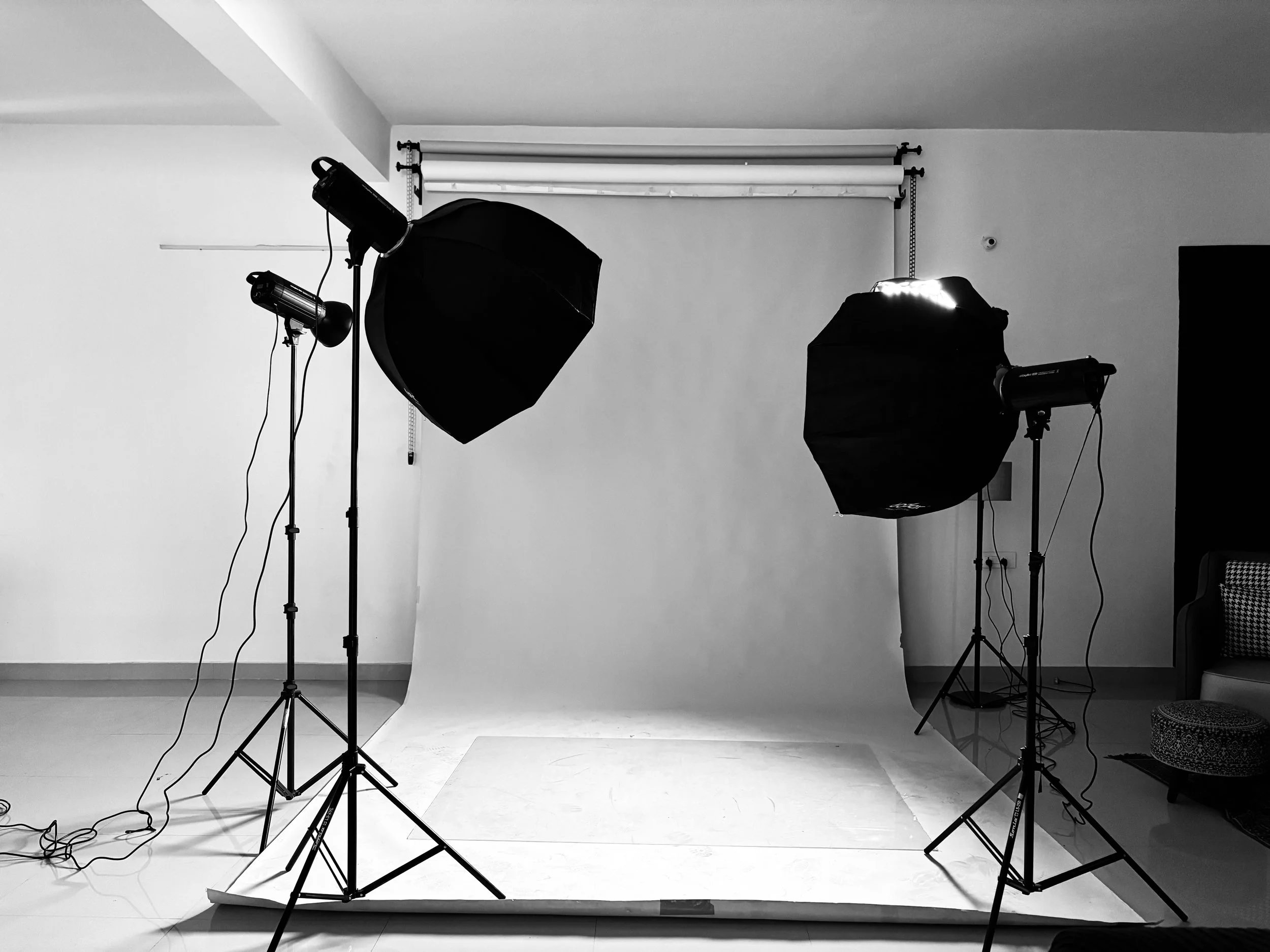
Before the shoot begins, the team arrives early to prepare the studio.
This stage includes:
Setting up lighting equipment
Testing camera gear and lenses
Preparing backgrounds and props
Arranging the set according to the concept
Checking technical details like power, framing, and exposure
This groundwork ensures that everything is ready before talent or clients step in.
2. Creative Alignment & Briefing
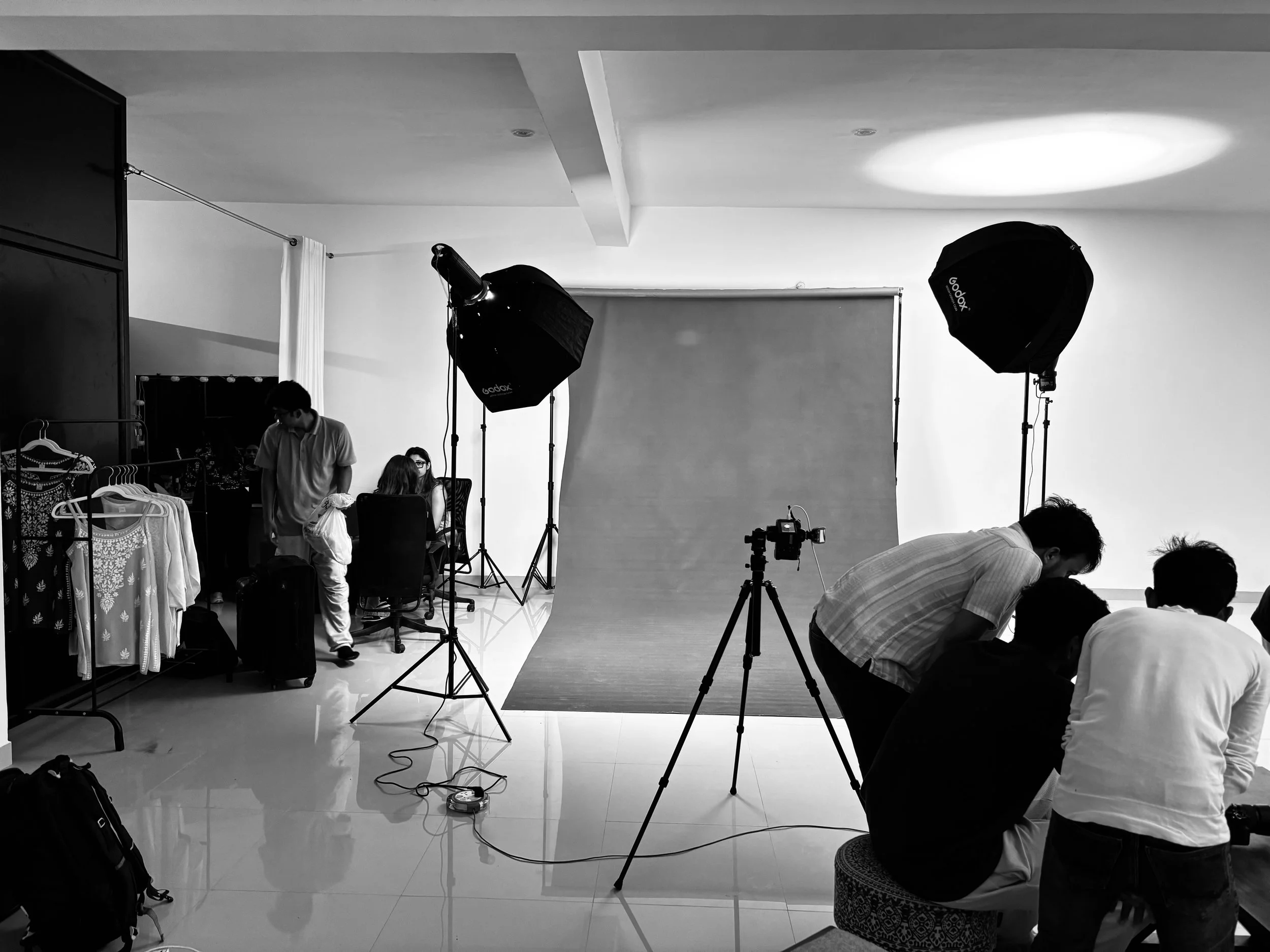
Once the setup is ready, the team gathers for a quick briefing.
This helps align everyone on:
The creative direction
Shot list and priorities
Mood and visual style
Timeline for the day
A clear briefing ensures that the shoot runs smoothly and everyone understands their role.
3. Styling, Makeup & Product Prep
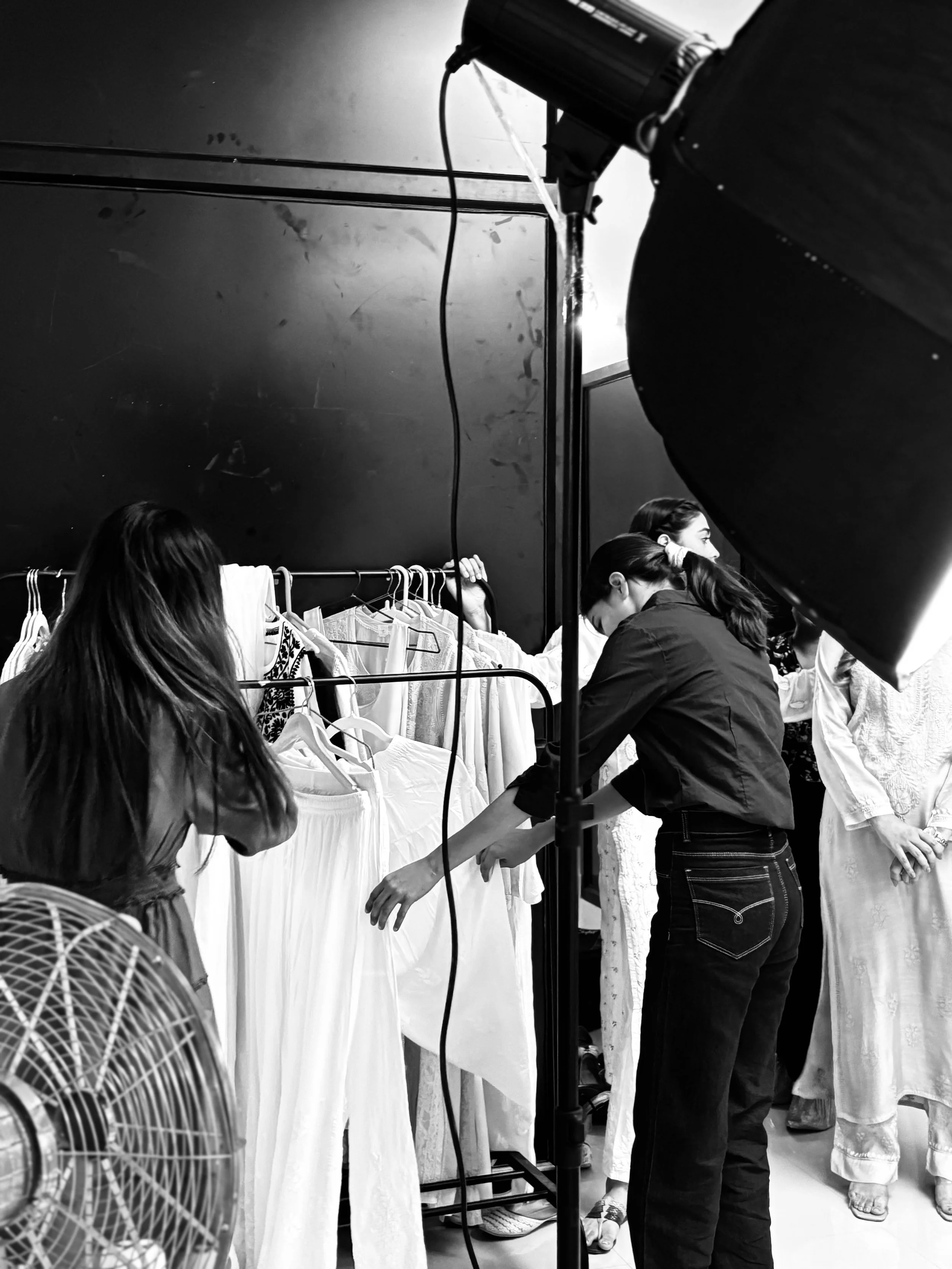
Depending on the type of shoot, this stage focuses on preparing the subject.
For model-based shoots:
Hair and makeup are finalized
Wardrobe is styled according to the concept
For product shoots:
Products are cleaned and arranged
Props are styled for visual appeal
Attention to detail here makes a big difference in the final output.
4. Test Shots & Adjustments
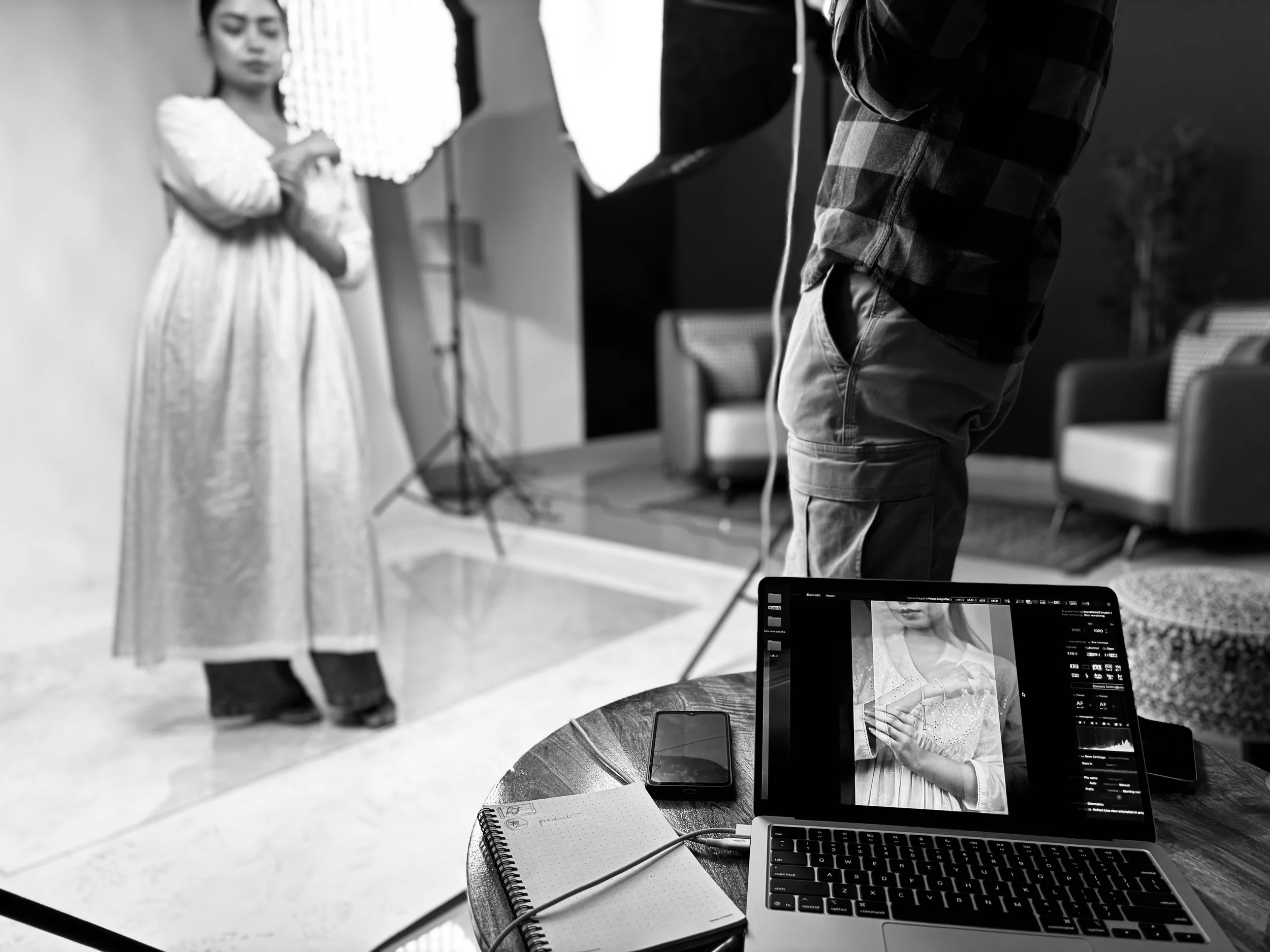
Before the actual shoot begins, the team captures test shots.
This helps in:
Fine-tuning lighting and shadows
Adjusting camera angles and composition
Checking colors and textures
Ensuring the set looks exactly as planned
Small adjustments at this stage save time later and improve overall quality.
5. The Shoot Begins
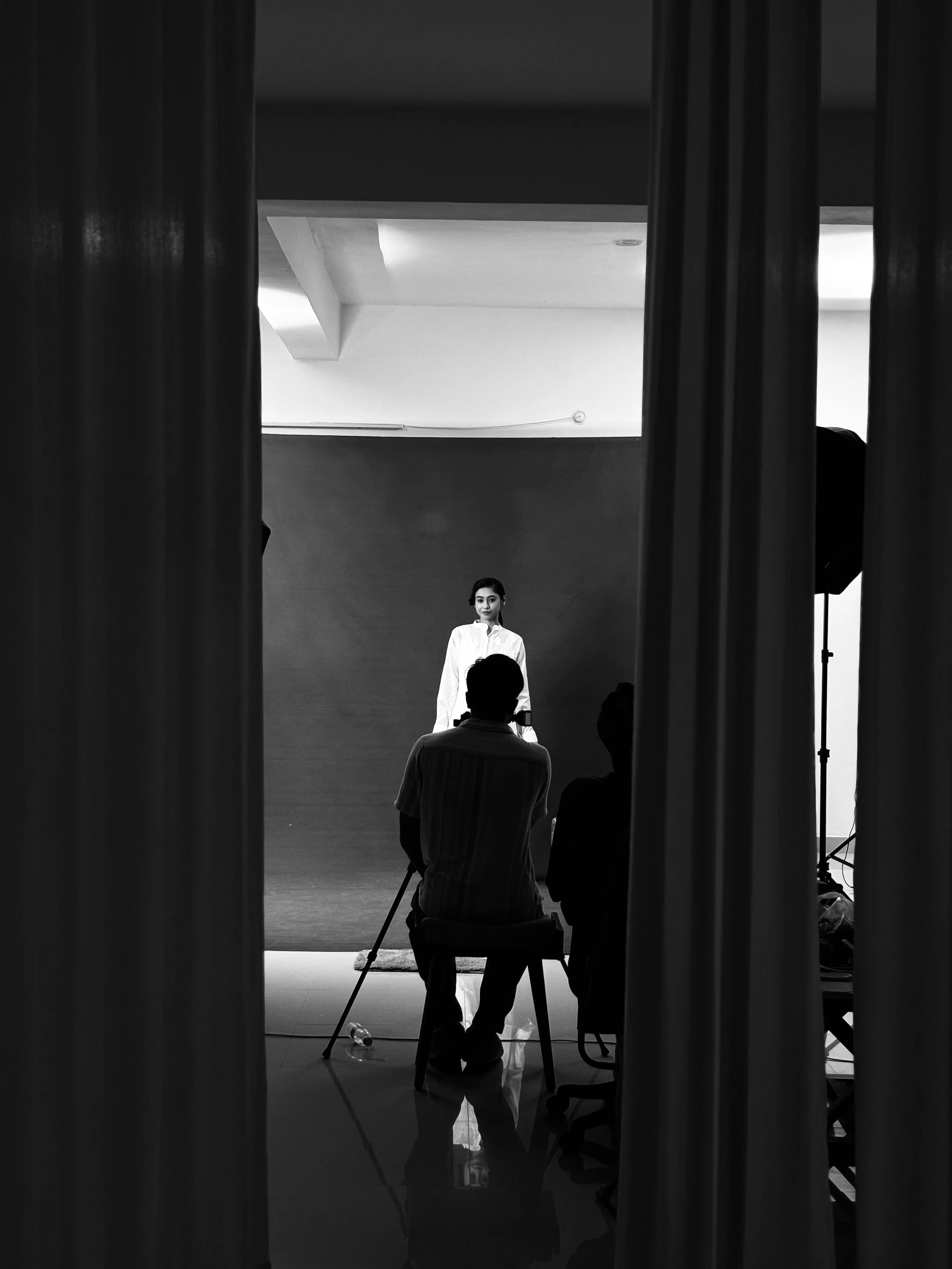
This is where the action happens.
During the shoot:
The photographer or videographer directs the subject
Multiple angles and variations are captured
Lighting and framing are adjusted as needed
The team continuously reviews shots on screen
Capturing multiple variations ensures flexibility during editing and helps achieve the best results.
6. Real-Time Feedback & Iteration
Professional shoots are collaborative.
Clients and creative teams often review shots in real time to:
Ensure alignment with expectations
Make quick changes to styling or framing
Experiment with new ideas
This dynamic approach allows the team to refine the output on the spot.
7. Managing Time & Shot List
A well-planned shoot follows a structured timeline.
The team works through:
Pre-decided shot lists
Priority visuals first
Additional creative variations if time allows
Efficient time management ensures that all deliverables are captured within the scheduled timeframe.
8. Wrap-Up & Backup
Once all shots are completed, the team begins wrapping up.
This includes:
Packing equipment
Backing up all captured data
Reviewing footage or images
Ensuring nothing is missed
Data backup is critical to avoid any loss of work.
Why a Structured Shoot Day Matters
A professional studio shoot is not just about capturing visuals—it’s about executing a plan efficiently.
A well-organized shoot day helps:
Maximize productivity
Maintain creative consistency
Reduce delays and costs
Deliver high-quality results
Final Thoughts
What looks like a simple shoot is actually a combination of planning, creativity, and technical expertise working together seamlessly.
From setup to execution, every step on a professional studio shoot day contributes to the final output. When done right, it results in visuals that not only look great but also effectively communicate a brand’s story.
At Papaya Production, we ensure that every shoot day is thoughtfully planned and professionally executed—helping brands create impactful content with ease and confidence.
